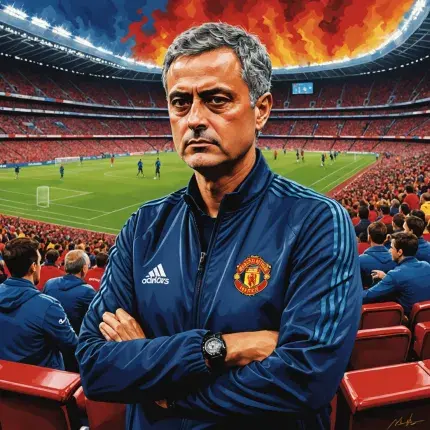
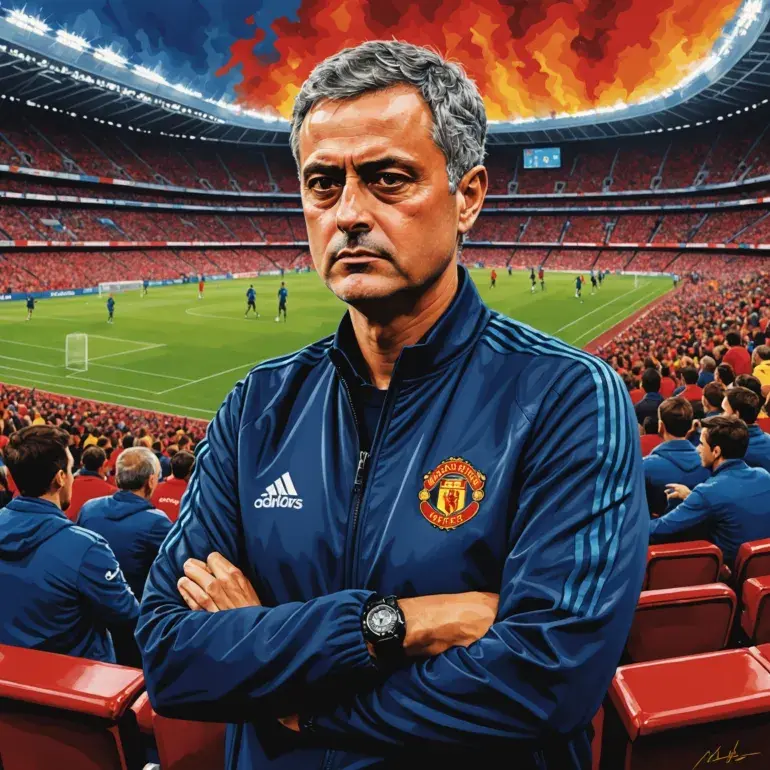
When it comes to football management, few names evoke as much passion, debate, and respect as José Mourinho. A figure both revered and reviled, Mourinho’s journey through the world of coaching is a fascinating tapestry woven with tactical brilliance, fiery personality, and an unyielding hunger for success. If you’ve ever wondered what makes him tick, or how he transformed from a modest player to one of the most celebrated—and scrutinized—managers in modern football, you’re in for an intriguing ride.
The Challenge of Defining a Football Genius
Understanding Mourinho’s coaching career is no simple task. It’s tempting to reduce his story to a list of trophies or memorable quotes, but that would be missing the forest for the trees. The real challenge lies in unpacking the layers of his methods, motivations, and milestones that have shaped his legacy. After all, Mourinho has managed some of the world’s biggest clubs—Porto, Chelsea, Inter Milan, Real Madrid, Manchester United, and Tottenham Hotspur—yet his style and success have sparked polarizing opinions among fans, pundits, and players alike.
One might ask: how did José Mourinho become the “Special One,” a moniker he famously declared during his Chelsea unveiling? And what makes his approach so effective yet often controversial? As we delve deeper, we’ll see that his career is a masterclass in resilience, adaptability, and psychological warfare, elements that have helped him navigate the highs and lows of top-level football management.
From Early Struggles to Tactical Mastery
Before Mourinho’s name was plastered across headlines for winning the UEFA Champions League with FC Porto in 2004, he was quietly honing his craft behind the scenes. His early career was marked by assistant coaching roles and scouting, where he absorbed invaluable knowledge from legends like Bobby Robson and Louis van Gaal. This apprenticeship period laid the foundation for Mourinho’s tactical acumen and managerial philosophy.
Interestingly, the same relentless pursuit of excellence that defines his on-field strategies also manifests in his off-field interests. For example, those curious about strategic depth might find parallels in the gaming world, where precision and planning are king. Sites like spiral abyss offer insights into how complex challenges are tackled step-by-step—something Mourinho applies daily in football.
Why Mourinho’s Career Is a Study in Contrasts
What sets José Mourinho apart is not just his trophy cabinet but the narratives that accompany his tenure at each club. He’s known for building impenetrable defenses and crafting game plans that neutralize opponents’ strengths. Yet, his teams have also produced moments of dazzling attacking flair. This duality keeps football fans and analysts endlessly fascinated. How does a coach balance pragmatism with creativity? Mourinho’s career offers a compelling answer.
- At Porto, he shocked Europe by winning the Champions League with a team many underestimated.
- At Chelsea, he revolutionized English football with his defensive organization and psychological edge.
- His time at Inter Milan culminated in a historic treble, showcasing his ability to conquer multiple fronts.
- At Real Madrid, he broke Barcelona’s dominance but faced constant tension with star players and media.
These episodes highlight the complexity of Mourinho’s journey—marked by tactical genius, interpersonal conflicts, and an unrelenting drive to win against all odds.
What’s Next on Mourinho’s Road?
As we explore José Mourinho’s coaching career in further detail, this article will navigate through his tactical philosophies, managerial milestones, and the controversies that have shaped public opinion. Whether you’re a die-hard football fan, a budding coach, or simply intrigued by leadership under pressure, there’s something to learn from Mourinho’s enduring influence on the beautiful game.
So, buckle up for a comprehensive journey into the mind and methods of one of football’s most enigmatic figures. From his early struggles to his global triumphs, we’ll uncover how José Mourinho continues to redefine what it means to be a football coach in today’s high-stakes arena.
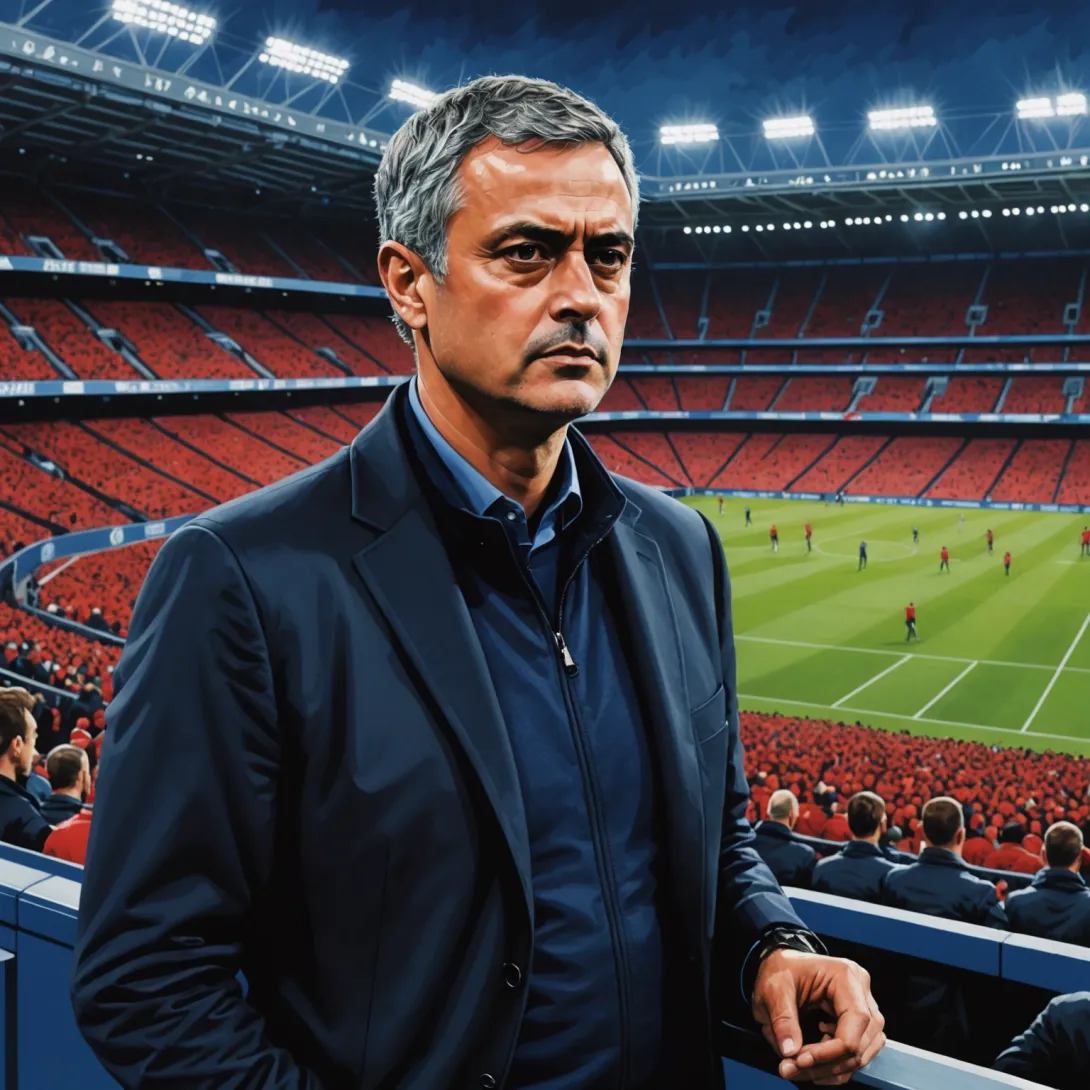
José Mourinho: Coaching Career Explored
Who is José Mourinho and Why is He Renowned in Football?
José Mourinho, often simply referred to as Mourinho, is one of the most prominent and successful football managers in modern football history. Known for his charismatic personality, tactical acumen, and sometimes controversial approach, Mourinho has left a profound impact on the sport worldwide. His coaching career spans multiple top European leagues, where he has won numerous titles and accolades, making him a household name among football fans and professionals alike.
What Are the Key Milestones in José Mourinho's Coaching Career?
Mourinho’s coaching journey is marked by a series of significant achievements and transformative stints at various clubs. Understanding these milestones helps highlight why he is considered a master tactician and a "Special One" in football management.
- Early Career and Rise to Prominence: Mourinho began as an assistant coach under Sir Bobby Robson at Sporting CP and FC Porto before becoming an interpreter and assistant at Barcelona. His first major head coaching role was at Benfica in 2000, but it was at FC Porto (2002–2004) where he gained international acclaim by winning the UEFA Champions League in 2004, a remarkable feat for a Portuguese club.
- Premier League Success with Chelsea: Moving to Chelsea in 2004, Mourinho immediately transformed the team, winning two consecutive Premier League titles (2004–05, 2005–06), establishing Chelsea as a dominant force in English football.
- Inter Milan and the Treble: At Inter Milan (2008–2010), Mourinho achieved one of his career's pinnacles by winning the Serie A twice and, most notably, securing the historic treble in 2010—Serie A, Coppa Italia, and UEFA Champions League—an unprecedented accomplishment for an Italian club.
- Real Madrid and Domestic Triumphs: Mourinho then coached Real Madrid (2010–2013), where he broke Barcelona’s dominance by winning La Liga in the 2011–12 season with a record 100 points, alongside Copa del Rey and Supercopa victories.
- Return to Chelsea and Later Roles: Mourinho returned to Chelsea (2013–2015) for another title-winning season in 2014–15. He later managed Manchester United (2016–2018), winning the UEFA Europa League and League Cup in 2017, and Tottenham Hotspur (2019–2021), where he sought to rebuild but did not secure major trophies.
- AS Roma and Continued Legacy: In 2021, Mourinho took charge of AS Roma, where he quickly led the team to win the inaugural UEFA Europa Conference League in 2022, further cementing his reputation for success across different leagues.
What Are the Tactical Characteristics and Coaching Philosophy of José Mourinho?
Mourinho is widely recognized for his pragmatic and highly organized approach to coaching, which prioritizes defensive solidity and tactical discipline. His philosophy can be summarized as follows:
- Defensive Organization: Mourinho’s teams are known for their compact defensive structure, minimizing spaces and frustrating opponents.
- Counter-Attacking Style: He often employs rapid transitions from defense to attack, capitalizing on opponents’ vulnerabilities.
- Adaptability: Mourinho customizes tactics based on opponent strengths and weaknesses, showcasing flexibility while maintaining core principles.
- Man-Management: Known for his psychological skills, Mourinho motivates players by building strong relationships or using mind games to gain a competitive edge.
This blend of tactical rigor and player motivation has repeatedly led Mourinho’s teams to outperform expectations, especially in high-stakes matches.
How Has Mourinho Influenced Modern Football and Coaching Trends?
Mourinho’s impact transcends just winning trophies; his career has influenced coaching methodologies and football culture globally:
- Innovative Use of Video Analysis and Opposition Research: Mourinho was among the pioneers in detailed opponent scouting, which is now a standard in football.
- Focus on Psychological Preparation: His emphasis on mental strength and confidence-building paved the way for integrating sports psychology into routine coaching.
- Changing Managerial Expectations: Mourinho’s outspoken personality and media management changed how managers interact with press and fans, blending showmanship with leadership.
These contributions have made Mourinho a case study in coaching courses and a role model for aspiring managers worldwide.
What Challenges Has José Mourinho Faced During His Coaching Career?
Despite his successes, Mourinho’s career has also seen significant challenges and controversies that reflect the high-pressure environment of elite football management:
- Periods of Underperformance: Some tenures, like his second spell at Chelsea and time at Tottenham, ended prematurely due to inconsistent results and strained relationships.
- Media Scrutiny and Rivalries: Mourinho’s confrontational style has often attracted intense media attention and rivalries with players, coaches, and officials.
- Adapting to Evolving Football Tactics: Critics have argued that Mourinho’s defensive focus needed evolution to match the more possession-oriented and pressing tactics of modern football.
These challenges illustrate the complexities of maintaining success at the highest levels and the constant need for adaptation in football coaching.
What Legacy Does José Mourinho Leave in Football Coaching?
Ultimately, José Mourinho’s coaching career is characterized by remarkable trophy hauls, innovative tactics, and a unique managerial personality. His legacy includes:
- Being one of the few managers to win league titles in four different countries (Portugal, England, Italy, Spain).
- Setting new standards for professionalism and preparation in football management.
- Inspiring a generation of coaches to blend tactical intelligence with psychological insight.
Through his achievements and approach, Mourinho has firmly established himself as a transformative figure in football history.