Unearthing the Legacy of the French Open Tennis Championship
Every spring, tennis enthusiasts worldwide turn their eyes toward Paris, where the unmistakable red clay courts of Roland Garros come alive with the world’s top players battling for glory. Yet, beyond the thrill of today's intense rallies and nail-biting finishes lies a rich tapestry of history that shaped the French Open tennis championship into one of the sport’s most revered Grand Slams. Have you ever wondered how Roland Garros—not just a name but a symbol of resilience and prestige—became the legendary tournament it is today?
It’s easy to get swept up in the excitement of the current champions and dazzling shot-making, but understanding the origins and evolution of Roland Garros adds a whole new dimension to appreciating the tournament. From its early 20th-century beginnings to the champions who etched their names in clay, the story of Roland Garros tennis is as compelling as any match point drama. For fans and newcomers alike, diving into this history reveals not only who triumphed but why the tournament’s unique character has stood the test of time.
Why the French Open Tennis Championship Stands Apart
The French Open tennis championship isn’t just another stop on the tennis calendar—it’s a crucible where clay courts test every ounce of skill, endurance, and mental toughness. Unlike the hard or grass courts of other majors, Roland Garros demands a distinctive style of play, often leading to longer rallies and unexpected upsets that keep even seasoned followers on edge. This uniqueness sparks questions that many casual fans might overlook: What makes Roland Garros such a formidable challenge? How has the tournament’s identity evolved along with the sport?
These queries have fascinated analysts and bettors alike, encouraging a deeper dive into strategies tailored to clay courts. For example, those interested in the broader world of sports betting might find parallels in how live tactical adjustments are crucial, much like in football. If you’re curious about dynamic in-game decisions, exploring a live football betting strategy can illuminate how split-second thinking shapes outcomes in high-stakes environments. Similarly, Roland Garros tennis challenges players to adapt constantly, making the history of champions and their strategies a rich field of study.
What This Article Will Explore
In the sections that follow, we will journey through the origins of the French Open tennis championship, tracing its transition from a national event to a global spectacle. You’ll discover fascinating milestones in the tournament’s timeline, including how it came to bear the name Roland Garros, a tribute to a pioneering aviator whose spirit of daring mirrors the relentless ambition of the players. We will also highlight legendary winners whose performances have defined eras, from the dominance of past champions to the emerging stars who continue to rewrite records on the clay.
Whether you’re a die-hard tennis aficionado, a history buff, or someone intrigued by the intersection of sport and culture, this article aims to enrich your appreciation of Roland Garros tennis. Expect a blend of captivating stories, insightful analysis, and a spotlight on the moments that have made the French Open tennis championship an enduring beacon of sporting excellence.
History of the Roland Garros Tennis Tournament and Its Champions
What is the French Open tennis championship and how did it begin?
The French Open tennis championship, commonly known as Roland Garros, is one of the four prestigious Grand Slam tournaments in professional tennis. Established in 1891, it originated as a national tournament in France and was initially limited to French club members. Over time, it evolved into an international event, attracting top players worldwide.
The tournament takes its name from Roland Garros, a pioneering French aviator and World War I hero, symbolizing the spirit of bravery and innovation. This connection was made when the venue was built in Paris in 1928 to host France’s international tennis competitions.
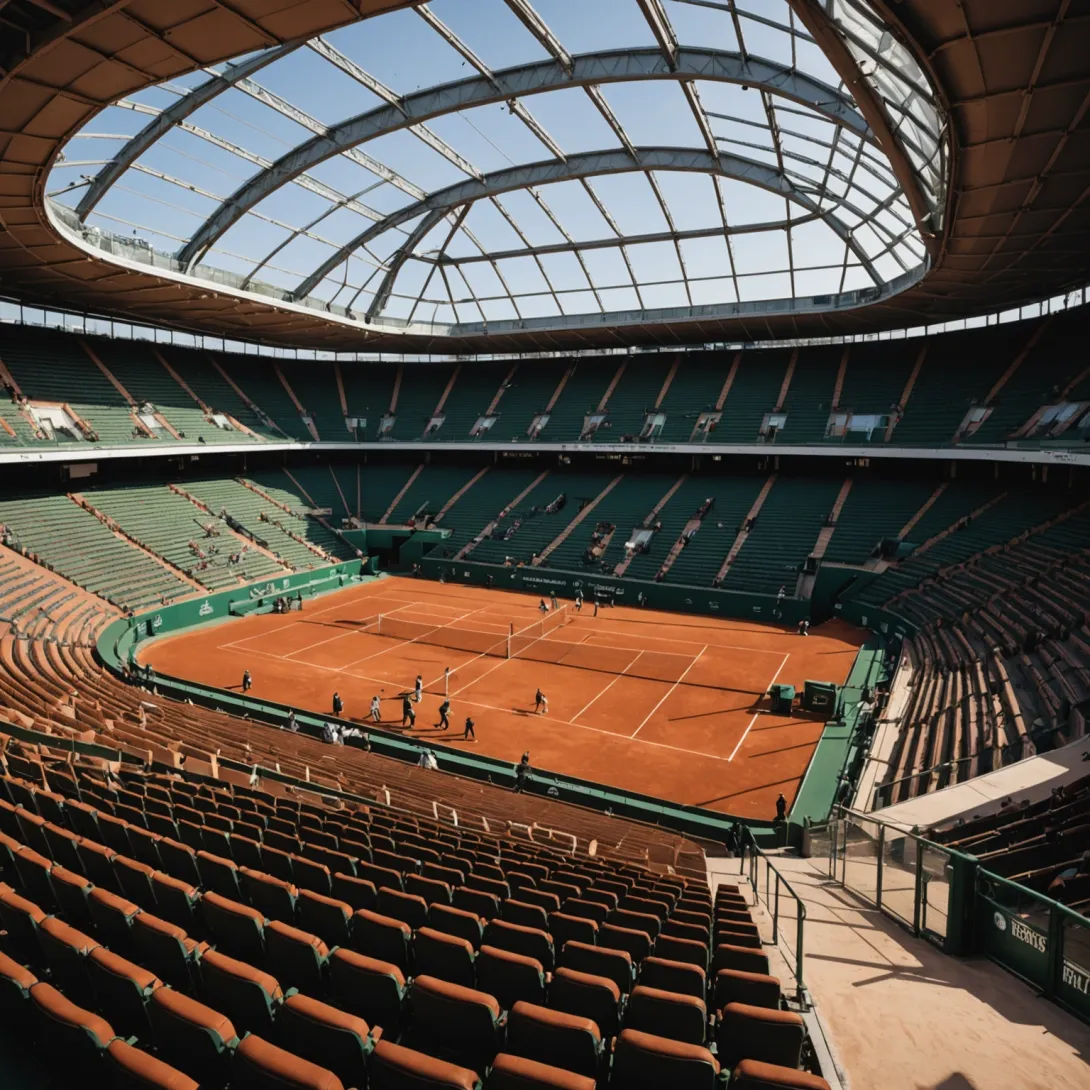
Roland Garros is unique among Grand Slams because it is played on clay courts, which significantly influence the style and pace of the game. Clay surfaces slow down the ball and produce a high bounce, favoring baseline rallies and demanding exceptional endurance and tactical skill from players.
How has Roland Garros tennis evolved over the years?
Over more than a century, the French Open tennis championship has undergone many changes, reflecting the broader evolution of tennis as a sport:
- Open Era Introduction (1968): Before 1968, Roland Garros was restricted mainly to amateur players. The Open Era allowed professionals to compete, elevating the tournament’s quality and prestige.
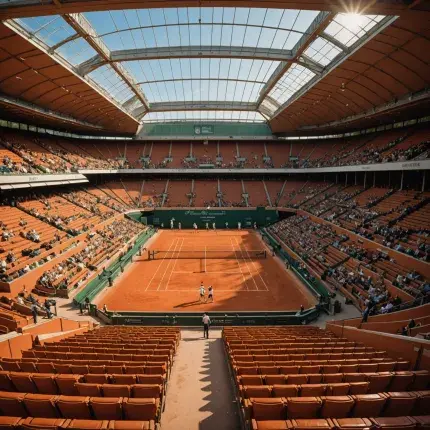
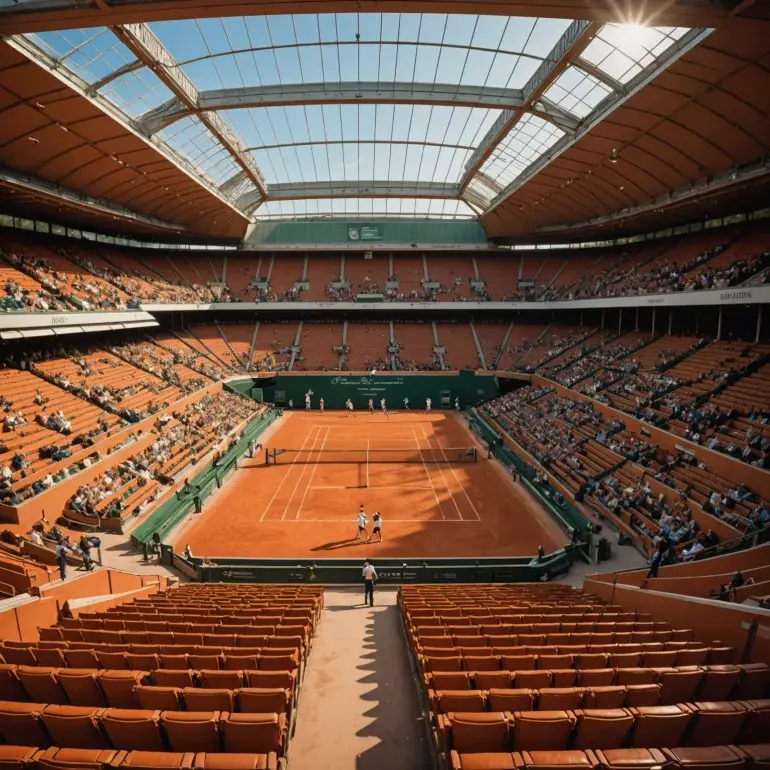
- Surface and Facility Improvements: The clay courts have been meticulously maintained and modernized, while the stadium itself has expanded, featuring the famous Philippe Chatrier Court with retractable roofs to counter weather interruptions.
- Inclusivity and Global Reach: The tournament has grown in global prominence, attracting diverse international players and fans, and is broadcast worldwide, reaching millions.
These developments have helped Roland Garros maintain its status as a cornerstone of the tennis calendar and a proving ground for clay-court specialists.
Who are some of the most notable winners of the French Open tennis championship?
Roland Garros has seen legendary champions whose careers have been defined by their performances on clay. Some of the most remarkable winners include:
- Rafael Nadal: Known as the "King of Clay," Nadal has dominated Roland Garros with a record 14 men's singles titles as of 2024. His aggressive topspin and unmatched stamina make him almost unbeatable on clay.
- Chris Evert: With seven women's singles titles, Evert was the queen of clay in the 1970s and 1980s, known for her consistent baseline play and mental toughness.
- Serena Williams: Though her greatest successes came on other surfaces, Williams has won the French Open three times, showcasing her adaptability.
- Björn Borg: The Swedish star won Roland Garros six times consecutively between 1978 and 1981, revolutionizing the game with his cool demeanor and baseline precision.
The list of champions also includes iconic names like Suzanne Lenglen, Gustavo Kuerten, and Justine Henin, each contributing to the rich history and prestige of the French Open tennis championship.
Why is Roland Garros considered a unique and challenging Grand Slam tournament?
Roland Garros tennis presents unique challenges compared to other Grand Slam events due to its distinctive clay surface and tournament conditions:
- Surface Impact: Clay courts slow down play and demand strategic point construction, physical endurance, and exceptional footwork, often leading to longer rallies.
- Weather Conditions: The tournament takes place in late spring, where variable weather can affect court conditions, making adaptability crucial for players.
- Physical and Mental Demands: The long matches and taxing conditions test players’ fitness and resilience, often separating the most mentally and physically prepared athletes.
These factors make winning Roland Garros a significant achievement, often seen as a testament to a player’s all-around excellence and stamina.
How can fans and aspiring players learn more about Roland Garros and its champions?
For those interested in delving deeper into the history and significance of the French Open tennis championship:
- Official Sources: The Roland Garros official website offers detailed historical archives, player statistics, and live updates.
- Documentaries and Books: Numerous documentaries and biographies explore the stories of Roland Garros champions and the evolution of the tournament.
- Live Attendance and Viewing: Watching matches live at the venue or through global broadcasts provides insight into the tournament’s atmosphere and player strategies.
Understanding the tournament’s history and the profiles of its winners enriches the appreciation of Roland Garros tennis as not just a competition but a cultural and sporting landmark.