When Metal Meets Mastery: Why Forging Still Captivates
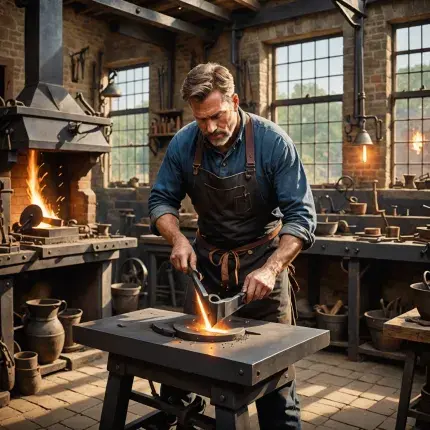
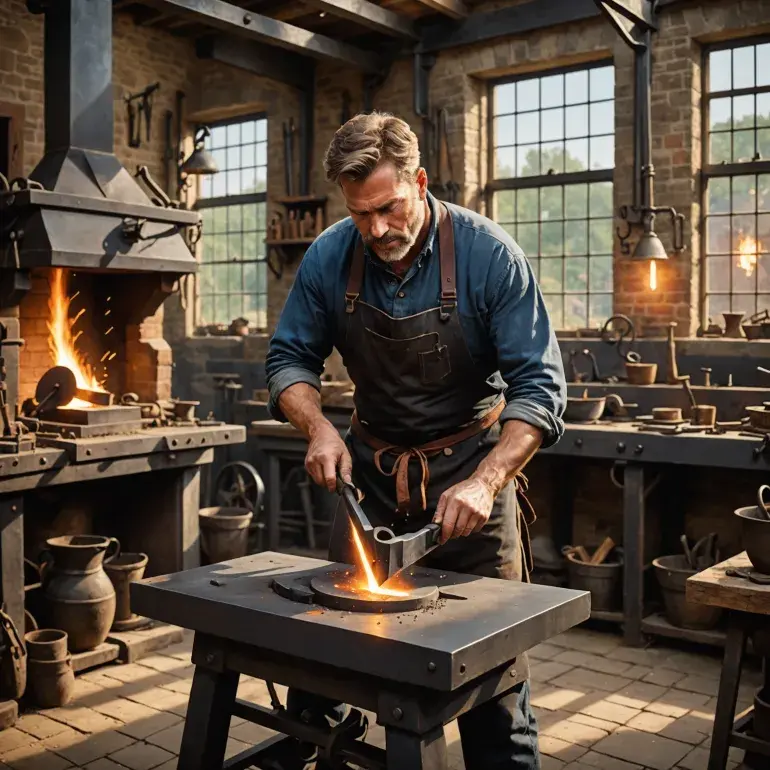
Imagine a glowing piece of metal, sizzling hot and malleable, shaped by the rhythmic strike of a blacksmith’s hammer. The sparks fly, and under the skilled hands of a craftsman, raw metal transforms into a stunning piece of art or a functional metal product. This isn’t just manufacturing; it’s a centuries-old craft that marries strength, beauty, and precision — a world where art forging and blacksmith craft converge with modern techniques like cold forging to create truly unique forged products.
Yet, despite its rich history and undeniable charm, forging can feel like an enigma to many. In an age dominated by mass-produced goods, the question arises: why should anyone still care about custom forging or the blacksmith’s anvil? What makes these forged items so special, and how does one go about placing a forging order that meets both artistic and practical needs?
More Than Just Metal: The Challenges of Crafting with Fire and Force
The art of forging is far from simple. It demands patience, expertise, and an intimate understanding of metal’s behavior under extreme conditions. Blacksmith craft, for example, is not just hammering metal blindly; it’s a nuanced dance of heat, pressure, and timing. Even with modern advancements, such as cold forging—which involves shaping metal at or near room temperature to enhance strength and precision—each forged product requires careful attention to detail.
For businesses and individuals looking to commission metal products, the landscape can be tricky. How do you choose between traditional artistic forging and high-tech cold forging? What ensures that your forging order results in a piece that’s not only durable but also visually captivating? Without guidance, the process might feel overwhelming, raising concerns about quality, cost, or lead times.
The Art and Science of Forging: Crafting Your Perfect Metal Masterpiece
Thankfully, the world of forging is evolving, blending the blacksmith craft’s heritage with contemporary innovations to offer a variety of options tailored for every need. Whether you desire a striking hand-forged gate, intricate artistic forging for décor, or robust industrial forged products, understanding the nuances can help you make informed decisions.
- Artistic forging: This involves creating unique, decorative forged items that showcase craftsmanship and creativity.
- Custom forging: Tailored metal products designed to specific dimensions and functions, often blending aesthetics and utility.
- Cold forging: A modern technique enhancing metal strength without the need for heating, ideal for precision parts.
In this article, we’ll delve into the fascinating realm of forging, exploring how traditional blacksmith craft and modern methods coexist. You’ll discover how to navigate forging orders with confidence and appreciate the value of forged products beyond mere metal. Whether you’re a curious enthusiast, a business owner, or someone seeking bespoke metalwork, prepare to see forging in a whole new light.
Understanding Forging: Artistic Forging, Metal Products, and Blacksmithing
What is Artistic Forging and How Does it Differ from Traditional Forging?
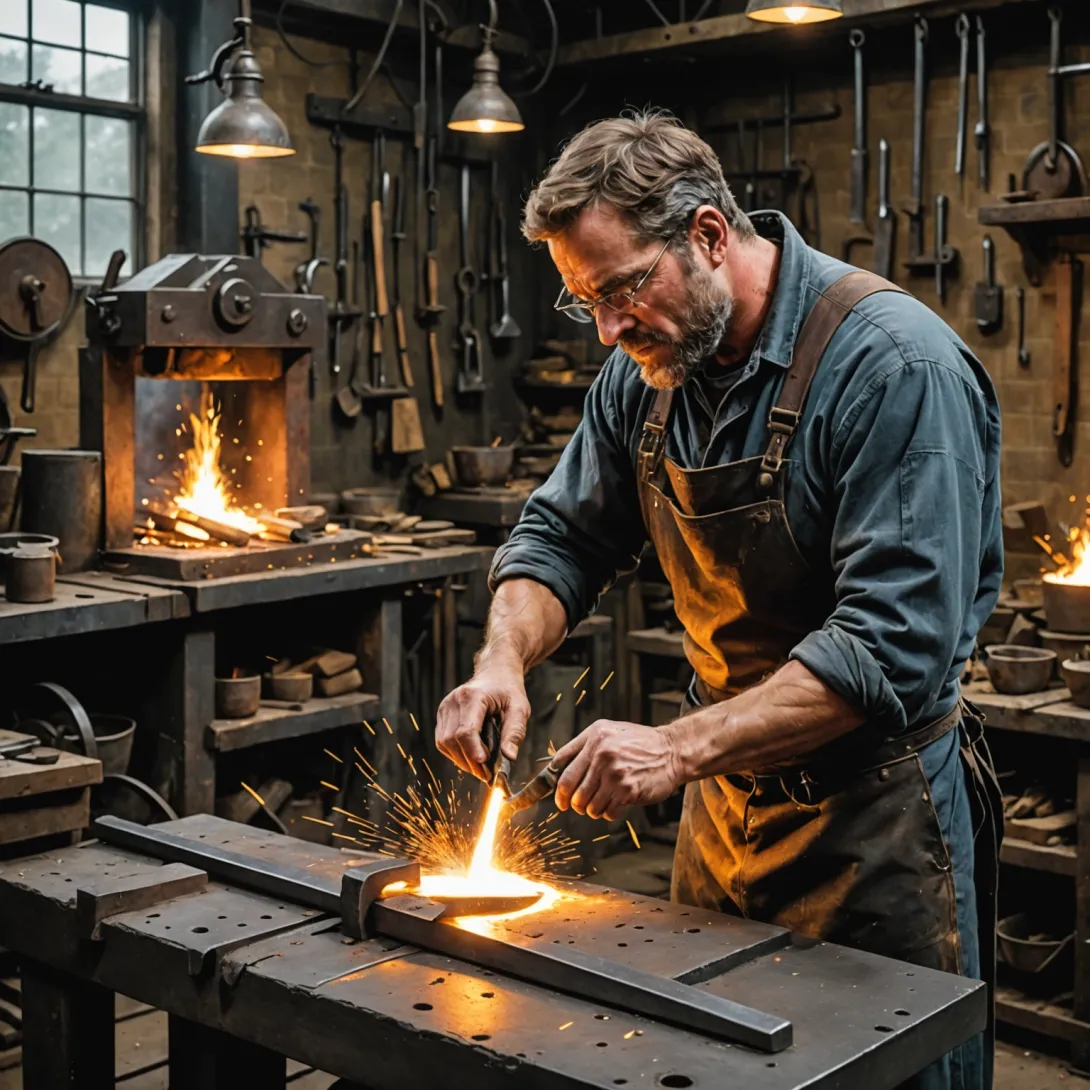
Art forging is a specialized branch of the blacksmith craft focused on creating visually appealing and often intricate forged products. Unlike industrial forging, which primarily aims at producing functional metal products for heavy use, artistic forging combines craftsmanship with creativity to produce decorative items, sculptures, and customized metalworks.
Art forging often involves techniques such as hand hammering, shaping, and finishing to bring out unique textures and patterns in the metal. This process demands a high level of skill and aesthetic sense, making it a prized discipline within the forging community.
The appeal of art forging lies in its ability to transform raw metal into works of art that reflect cultural heritage, personal expression, or bespoke design needs—something that mass-produced metal products cannot replicate.
What Types of Metal Products Can Be Made Through Forging?
Forging, both cold and hot, is used to manufacture a wide range of metal products, each suited to different applications depending on the method and material used. Examples include:
- Industrial components: such as gears, crankshafts, and fasteners that demand high strength and durability.
- Custom forged items: like ornamental gates, railings, and furniture that highlight artistic forging techniques.
- Tools and hardware: including knives, hammers, and hand tools crafted through blacksmith craft.
- Architectural elements: balustrades, handles, and lighting fixtures that combine function with decorative appeal.
Each forged product benefits from the forging process, which improves metal grain structure, resulting in superior strength and resistance to fatigue compared to cast or machined parts.
What is the Blacksmith Craft and How Has it Evolved?
The blacksmith craft is an ancient trade involving the shaping of metal through heating and hammering. Traditionally, blacksmiths forged essential tools, horseshoes, and weapons, playing a crucial role in society. Today, blacksmithing has evolved to embrace both functional manufacturing and art forging.
Modern blacksmiths often blend traditional techniques with contemporary technologies like power hammers and hydraulic presses, enabling them to take forging orders that range from practical metal products to exquisite artistic pieces.
Additionally, the craft has seen a resurgence in interest due to the growing appreciation for handcrafted goods and the unique qualities of forged metal items.
How Does the Forging Order Process Work for Custom Forged Products?
Placing a forging order for custom forged products involves several key steps to ensure the final item meets the desired specifications:
- Design consultation: Discussing the purpose, dimensions, materials, and aesthetic requirements with the blacksmith or forging company.
- Material selection: Choosing the appropriate metal—such as steel, iron, or aluminum—based on strength, finish, and workability.
- Forging technique determination: Deciding between cold forging or hot forging methods depending on the product's complexity and desired properties.
- Prototyping: Creating a sample or digital model to visualize the product before full-scale production.
- Production: The actual forging process, including heating, shaping, finishing, and quality checks.
- Delivery and installation: Final product delivery and, if needed, assistance with installation or integration into the intended environment.
Understanding this process helps customers collaborate effectively with artisans or manufacturers to achieve the best results.
What is Cold Forging and When is it Used?
Cold forging is a forging technique where metal is shaped at or near room temperature, as opposed to hot forging, which involves heating the material to make it more malleable. Cold forging offers several advantages:
- Improved surface finish: Because the metal is not heated, the surface remains smooth and often requires less machining.
- Increased strength: The cold working process can strengthen metal through strain hardening.
- Cost efficiency: Eliminates the need for heating, reducing energy consumption and production time.
Cold forging is typically used for smaller, simpler shapes such as bolts, screws, and washers, where precision and strength are paramount. However, it is less suited for complex shapes that require significant deformation, which are better handled by hot forging.
How Can Forged Products Enhance Both Functionality and Aesthetics?
Forged products uniquely combine robustness with artistic appeal, making them highly valued in both industrial and decorative contexts.
Functionally, the forging process refines the internal grain structure of metals, resulting in stronger and more durable products compared to those made by casting or machining. This is critical in applications where reliability and longevity are essential.
From an aesthetic perspective, art forging elevates metal products by introducing handcrafted details, textured finishes, and personalized designs. For example, custom forged gates not only secure a property but also serve as a statement piece reflecting craftsmanship and style.
In summary, forged products satisfy both technical demands and creative aspirations, making them a versatile choice across industries.
Conclusion
Exploring the world of forging reveals a rich intersection of tradition, technology, and artistry. Whether you are interested in artistic forging, practical metal products, or the detailed processes behind blacksmith craft and cold forging, understanding the nuances of forging orders and production can help you appreciate the value forged products bring to both everyday use and artistic expression.