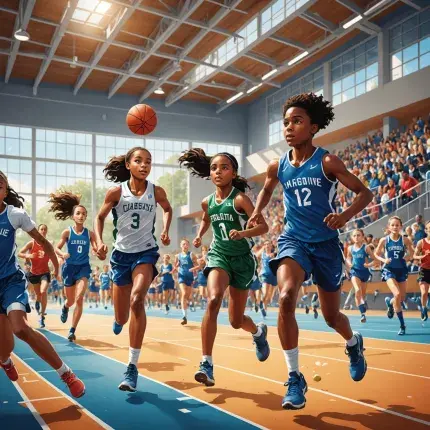

The Vital Role of Sport in Youth Development
Imagine a typical school day where academics dominate the schedule, but somewhere in the background, the vibrant energy of physical education classes and school competitions pulses through the halls. Sport isn’t just a break from the books—it’s a fundamental pillar of growth, teaching young people resilience, teamwork, and leadership. From the early days of youth sports programs to the specialized environment of a sports school, athletics provide a unique platform where skills extend beyond physical ability and into life lessons.
Yet, despite its obvious benefits, many schools still struggle to fully integrate sport into their core curriculum or extracurricular offerings. The challenge isn’t just about funding or facilities—it’s about understanding the intricate balance between nurturing talent and encouraging participation. How can educators and parents ensure that every child experiences the thrill and benefits of physical activity, particularly through organized competitions that test both character and skill?
Why School Competitions and Athletics Matter More Than Ever
School competitions are often the first stage where young athletes discover their passion and potential. These events go beyond mere contests; they are critical social arenas where youth sports cultivate discipline, perseverance, and a sense of belonging. In fact, studies consistently show that students involved in athletics have higher academic performance and improved mental health. The excitement of competing, coupled with the camaraderie of team sports, makes physical education a cornerstone of well-rounded education.
But here’s a lesser-known fact: the landscape of youth sports is evolving rapidly. With digital integration, platforms such as betting sites with live streaming have introduced a new dimension to how audiences engage with sports events. While this primarily serves adult fans, it underscores the growing popularity and visibility of sports, which trickles down to increased enthusiasm and support for school-level athletics. This digital wave can inspire students even more, turning their local track and field meet into an event that feels part of a larger, thrilling world of sport.
The Unique Environment of Sports Schools
Enter the sports school—a specialized institution dedicated to nurturing athletic talent alongside academic achievement. These schools are more than training grounds; they are incubators of future Olympians, professional athletes, and coaches. The curriculum is tailored to enhance physical education while ensuring students receive a solid academic foundation. Here, athletics aren’t an afterthought but a central thread woven into daily life.
Sports schools address many of the challenges faced by traditional programs by providing expert coaching, state-of-the-art facilities, and a culture that celebrates physical prowess and mental toughness. This environment motivates young athletes to push their limits while learning to balance sport and study. Importantly, it also offers a safety net where education remains a priority, ensuring that even those who don’t pursue professional sports careers walk away with valuable skills and knowledge.
From Track and Field to Team Sports: The Spectrum of Physical Education
Physical education today covers a broad spectrum, from classic track and field events to team sports like basketball, soccer, and volleyball. Each discipline offers unique benefits, whether it’s the explosive speed and endurance built on the track or the strategic thinking and cooperation demanded by team games.
- Track and Field: Often seen as the purest form of athletics, it develops individual strength, speed, and agility.
- Team Sports: Encourage communication, teamwork, and leadership skills.
- Physical Education Classes: Designed to introduce all students to a variety of activities, promoting lifelong fitness habits.
Integrating these elements into school programs can help address the modern sedentary lifestyle epidemic among youth. Encouraging regular participation in physical education encourages healthy habits that last a lifetime. Moreover, school competitions add a spark of excitement and a goal-oriented approach that can transform mundane exercise into memorable achievements.
Bridging the Gap: Encouraging More Youth to Embrace Sport
Despite the clear benefits, some young people hesitate to get involved in sports due to fear of failure, lack of support, or even a simple lack of opportunity. Schools and communities must work together to create inclusive environments where every child feels welcome—whether they’re aiming for gold medals or just looking to stay active.
By fostering a culture that celebrates effort as much as victory, we can inspire more youth to find joy in physical education and school competitions. After all, the spirit of sport lies in participation, growth, and the shared experience of striving toward a goal.
In the sections that follow, we’ll delve deeper into how schools can optimize their sports programs, explore success stories from sports schools, and offer practical tips for parents and educators to support young athletes at every level. Get ready to discover how the world of youth sports is not just about chasing trophies but about building stronger, healthier, and more confident generations.

Understanding the Role of Sport in School Competitions and Youth Development
What is the importance of sport in school competitions and youth sports?
Sport plays a crucial role in the holistic development of young people, especially through school competitions and youth sports programs. These activities foster not only physical health but also social skills, teamwork, discipline, and leadership qualities. Engaging in sports at a young age encourages positive lifestyle habits that can last a lifetime.
School competitions provide structured opportunities for students to challenge themselves and measure their progress in various athletic disciplines. These events promote healthy competition and can inspire students to pursue further athletic achievements or careers.
How do sports schools contribute to athletic and personal development?
Sports schools are specialized institutions designed to nurture young athletes by providing focused training alongside formal education. These schools offer tailored physical education programs and access to expert coaching, sports science, and performance facilities.
By integrating academics with high-level sports training, sports schools help students achieve their full potential both in athletics and in academic pursuits. Many notable athletes worldwide have emerged from such schools, demonstrating the effectiveness of this model in balancing education and sport.
What role does physical education play in youth sports and athletics?
Physical education (PE) is an essential component of the school curriculum that introduces children to a variety of sports and physical activities. PE classes develop fundamental motor skills, promote fitness, and instill an understanding of the value of regular exercise.
Strong physical education programs lay the groundwork for participation in more competitive youth sports and athletics by building confidence, coordination, and knowledge of game rules and strategies.
What are the key benefits of participating in track and field events during school competitions?
Track and field is a diverse sport that includes running, jumping, and throwing events, offering multiple avenues for students to excel based on their abilities. Participation in track and field during school competitions benefits youth by:
- Enhancing cardiovascular fitness and muscular strength.
- Improving agility, speed, and coordination.
- Encouraging goal-setting and personal achievement through measurable performance metrics.
- Providing inclusive opportunities since events cater to different body types and skill sets.
Moreover, track and field competitions foster a spirit of camaraderie and community among young athletes, which supports mental well-being.
How do school competitions support the growth of youth sports at a community and national level?
School competitions serve as the foundation for talent identification and development in youth sports. They offer a platform for young athletes to gain competitive experience and gain exposure to scouts and coaches.
At the community level, these competitions promote engagement among families, schools, and local organizations, building a supportive environment for youth sports. Nationally, successful school competitions feed into larger athletic programs, shaping future representatives in international events such as the Olympics.
What are best practices for schools to maximize the benefits of athletics and physical education?
To fully leverage the advantages of sport, school competitions, and physical education, schools should consider the following strategies:
- Inclusive Programming: Offer a variety of sports and activities to cater to diverse interests and abilities, ensuring all students can participate.
- Qualified Coaching: Employ trained coaches who emphasize skill development, safety, and positive mentorship.
- Balanced Curriculum: Integrate physical education with academic schedules to promote both mental and physical health.
- Parental and Community Involvement: Engage families and local stakeholders in supporting youth sports events and programs.
- Facilities and Resources: Maintain safe and well-equipped sports facilities to encourage regular participation.
By prioritizing these elements, schools can create nurturing environments that encourage lifelong engagement with sport and healthy living.
Case Study: The Impact of a Sports School on Youth Athletic Success
Consider the example of a well-known sports school that has produced multiple national-level athletes. This institution combines rigorous physical education with specialized training in athletics, including track and field disciplines. Students benefit from individualized coaching plans, nutritional guidance, and psychological support.
Outcomes from this sports school demonstrate higher rates of athletic scholarships, improved academic performance due to discipline and time management skills, and enhanced self-esteem among participants. Such examples underscore the multifaceted benefits of integrating sport into educational settings.
Conclusion
Sport, school competitions, youth sports, sports schools, athletics, and physical education collectively form a dynamic ecosystem that supports the development of young people. Through structured competition and education, students gain vital physical skills and life lessons that contribute to their overall growth. Recognizing and investing in these areas is essential for fostering healthy, active, and successful future generations.