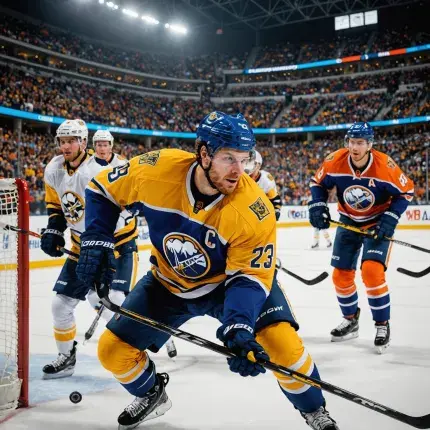
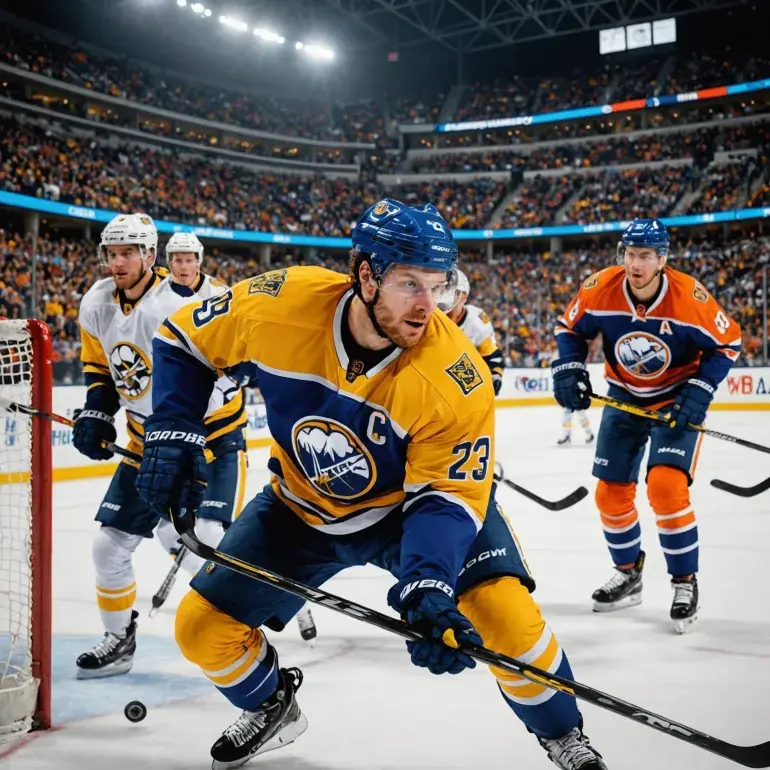
Imagine a place where the roar of the crowd merges with the crisp slap of a hockey puck, where local sports clubs become the heartbeat of community life, and where physical culture isn’t just a concept but a way of living. This is the vibrant world of sport regions—dynamic hubs where passion for competition and communal spirit collide. Yet, beneath this lively surface, there’s an ongoing challenge faced by many such regions: how to sustain enthusiasm, nurture talent, and keep the wheels of sporting events and competitions turning year after year.
The Crucial Role of Sports Clubs in Shaping a Sport Region
Sports clubs are more than just organizations; they’re the backbone of any thriving sport region. Whether it’s hockey teams sharpening skills on ice or community groups promoting physical culture for all ages, these clubs provide the structure and support that transform casual interest into serious engagement. Without them, the landscape of competitions and events would be bleak, lacking the grassroots foundation necessary to fuel higher-level excellence.
But there’s a catch. Many clubs struggle with funding, participation rates, and maintaining visibility in an age where digital distractions compete fiercely for attention. This is where innovative approaches come in—leveraging incentives like the 100 free bet on registration no deposit in Kenya promotions to attract new audiences or engaging community partnerships to boost attendance at local hockey matches. It’s a delicate balance between honoring tradition and embracing new ways to celebrate sport.
Why Physical Culture is More Vital Than Ever
Physical culture extends beyond the competitive arena; it encompasses the daily habits and attitudes that promote health, well-being, and social cohesion. In a world increasingly dominated by sedentary lifestyles, fostering a robust physical culture is essential. Sport regions act as catalysts, inspiring residents of all ages to move, compete, and connect. This cultural shift not only enhances individual lives but also strengthens the social fabric, making communities more resilient and vibrant.
Consider the ripple effect: a local hockey tournament sparks excitement among youth, who then join sports clubs, which leads to healthier habits and improved mental wellness. These events and competitions become more than just games; they are celebrations of identity and collective pride. Yet, sustaining these cycles demands consistent effort, fresh ideas, and community buy-in—a challenge that every sport region must meet head-on.
Events and Competitions: The Lifeblood of Regional Sport
The calendar of a sport region is dotted with electrifying events and competitions that draw crowds, ignite rivalries, and showcase emerging talents. From grassroots hockey leagues to regional championships, these moments are charged with energy and anticipation. They serve as milestones that unite fans, players, and organizers alike.
- Local tournaments: fostering young talent and building community spirit
- Regional championships: elevating the level of play and attracting wider audiences
- Special events: charity matches, festivals, and exhibitions that celebrate the cultural side of sport
However, the challenge lies in keeping these events accessible and engaging while managing logistics, sponsorships, and evolving audience expectations. Innovations such as live streaming, interactive fan experiences, and partnerships with digital platforms have become crucial. These tools help bridge the gap between traditional sporting culture and the modern appetite for instant, immersive content.
In this blog post, we’ll dive deeper into how sport regions manage these complexities, the role of hockey as a flagship sport, and how sports clubs and physical culture intertwine to create thriving, enduring communities. Whether you’re a player, coach, fan, or community organizer, there’s something here to inspire you to engage more fully with the pulse of sport in your region.
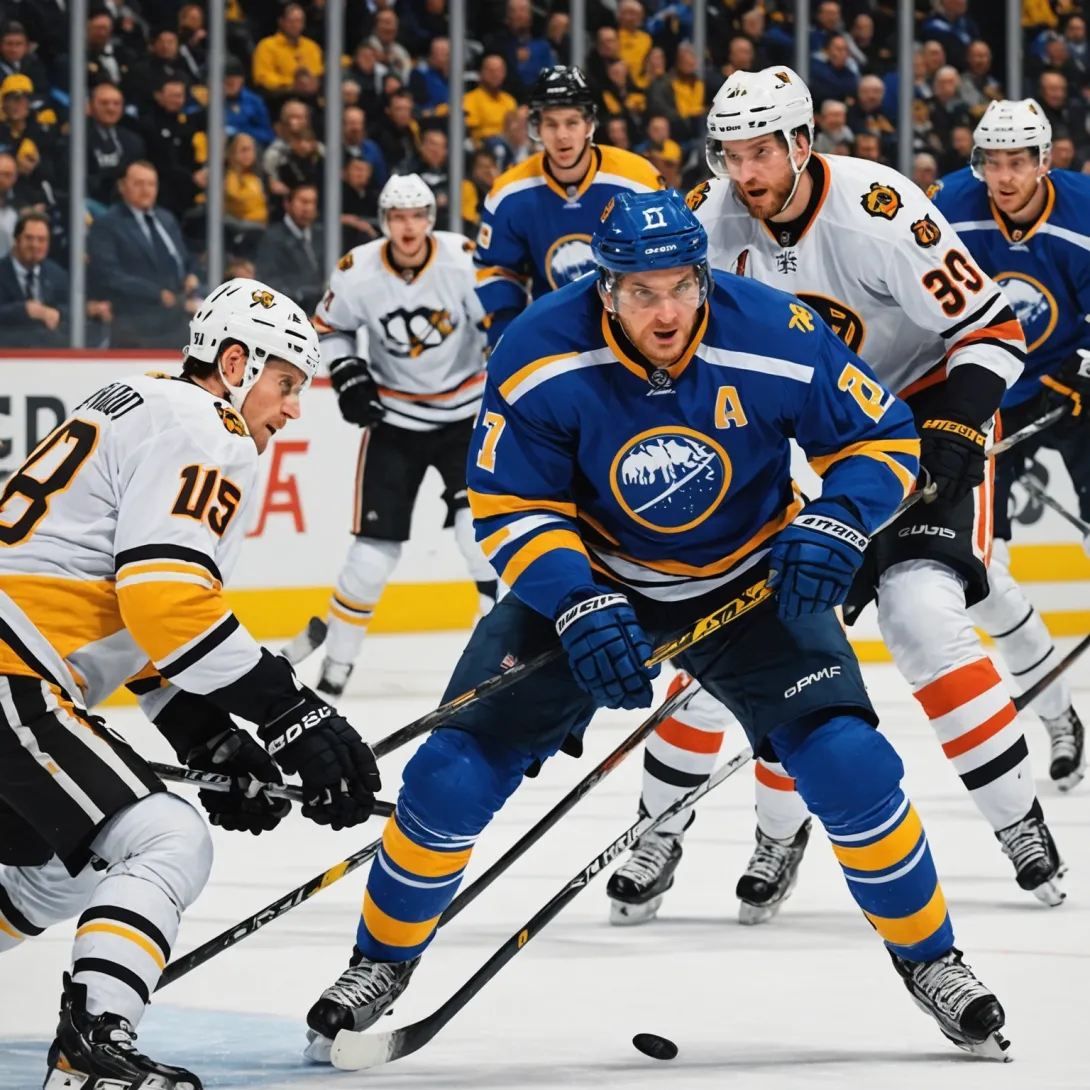
Exploring the World of Sport, Hockey, Sports Clubs, Physical Culture, Competitions, and Events
What is the importance of sport in modern society?
Sport plays a vital role in modern society by promoting physical health, mental well-being, social cohesion, and cultural exchange. Beyond just being a form of entertainment, sport encourages individuals to engage in physical activity, which helps reduce the risk of chronic diseases such as diabetes and cardiovascular conditions.
Moreover, sport fosters teamwork, discipline, and resilience, qualities that are transferable to many other areas of life. Community-based sports clubs often serve as social hubs where people of different ages and backgrounds come together, promoting inclusivity and cultural understanding. In many regions, sport also contributes significantly to the economy through job creation, tourism, and media rights.
How does hockey influence the development of sports culture?
Hockey, as one of the most popular team sports globally, has a profound impact on sports culture. It combines speed, skill, strategy, and physical endurance, creating a dynamic and engaging spectacle for players and fans alike.
Hockey clubs often act as grassroots incubators for talent development, where young athletes learn not only the technical aspects of the game but also the values of sportsmanship and teamwork. The sport’s highly organized competitions, ranging from local leagues to international championships like the IIHF World Championship and the NHL, showcase the highest level of athletic performance and foster regional and national pride.
Hockey’s popularity also drives advances in physical culture by encouraging specialized training regimens focusing on strength, agility, and endurance, which can be applied to other sports and physical activities.
What role do sports clubs play in promoting physical culture?
Sports clubs are fundamental pillars in the promotion of physical culture—the practice of maintaining and enhancing physical fitness and well-being through exercise and sport. These clubs provide structured environments where individuals can participate in a variety of sporting activities, receive coaching, and engage in social interaction.
By offering accessible training facilities, organized competitions, and community events, sports clubs help to cultivate lifelong habits of physical activity. They also act as platforms for education on nutrition, injury prevention, and healthy lifestyles, thereby reinforcing the principles of physical culture.
In addition, sports clubs often collaborate with schools, healthcare providers, and local governments to broaden the impact of their programs and reach diverse populations.
What types of competitions and events are essential for boosting community engagement in sports?
Competitions and events are crucial drivers of enthusiasm and participation in sports at all levels. They provide athletes with goals to strive for and create opportunities for communities to come together in celebration of physical achievement and friendly rivalry.
Key types of competitions and events include:
- Local and regional tournaments: These foster grassroots participation and help identify emerging talent.
- National championships: They raise the profile of sports within a country and encourage higher levels of competition.
- International events: Such as the Olympic Games or World Cups, which promote cultural exchange and global unity through sport.
- Community sports festivals and fun runs: Designed to engage all age groups and skill levels, emphasizing inclusion and physical culture.
- Charity and awareness events: These leverage sport to support social causes, increasing community involvement and positive impact.
Well-organized events can significantly boost local economies, inspire youth participation, and enhance public health by motivating more people to adopt active lifestyles.
How can individuals get involved with sports clubs to enhance their physical culture and enjoy competitions and events?
Getting involved with sports clubs is an excellent way for individuals to enhance their physical culture, enjoy the camaraderie of team sports, and participate in competitions and events. Here are practical steps to get started:
- Identify interests: Choose a sport or physical activity that aligns with personal preferences, whether it’s hockey, running, or fitness classes.
- Research local clubs: Look for sports clubs in your area that offer programs for various skill levels and age groups.
- Attend trial sessions: Many clubs offer free or low-cost trial sessions where you can experience the sport and meet members.
- Commit to regular participation: Consistency is key to improving physical fitness and enjoying the full benefits of physical culture.
- Engage in competitions and events: Start with local competitions or community events to build confidence and experience.
- Volunteer and support events: Many clubs welcome volunteers, which is a great way to deepen involvement and understand the organizational side of sports.
By following these steps, individuals not only improve their physical health but also become part of a vibrant community that shares a passion for sport, hockey, and active living.